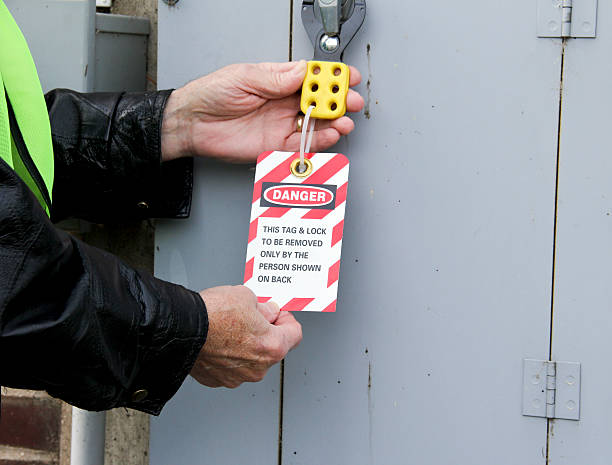
For homeowners and landlords in Kirkcaldy, a property is more than just bricks and mortar; it’s a significant investment. While curb appeal and modern interiors are often the focus, the hidden safety of your home’s electrical system is arguably the most critical aspect to protect. From outdated wiring to faulty appliances, electrical hazards pose a serious risk of fire and injury. Regular inspections and maintenance are not just a good idea—they are essential for safeguarding your property and the people who live in it.
The Hidden Dangers in Your Kirkcaldy Home
Many of Kirkcaldy’s properties, particularly the charming Victorian terraces and older townhouses, may have electrical systems that were installed decades ago. While these systems may still function, they may not be equipped to handle the demands of modern living. A typical family today uses a multitude of high-powered electrical devices, from computers and TVs to dishwashers and electric vehicles. This increased load can strain old wiring, leading to overheating, short circuits, and a heightened risk of fire.
Common signs of a potential electrical hazard include:
- Flickering or dimming lights: This can indicate an overloaded circuit or a loose connection.
- Warm or discoloured outlets and switches: A clear sign of overheating.
- Frayed or damaged cords: Exposed wires are a direct shock and fire risk.
- The smell of burning plastic: This could be a sign of melting wire insulation.
- Tripping circuit breakers: While designed to protect your home, frequent tripping suggests a problem that needs to be addressed.
Ignoring these warning signs is a gamble no homeowner should take. A professional electrical inspection provides peace of mind and is the first step towards ensuring your property is safe.
Professional Electrical Inspections: Your Shield Against Risk
An Electrical Installation Condition Report (EICR) is a comprehensive check of your property’s electrical system, carried out by a certified electrician. This inspection is mandatory for landlords in Scotland every five years, but it’s equally recommended for homeowners, especially when buying or selling a property.
During an EICR, the electrician will:
- Assess the consumer unit (fuse box): They will check that it meets current safety standards and is not a fire hazard.
- Examine wiring and connections: They will look for any signs of damage, wear, or incorrect installation.
- Test all circuits: They will ensure that circuits are correctly earthed and that RCDs (Residual Current Devices) are functioning properly to prevent electric shocks.
- Identify potential hazards: They will highlight any dangerous conditions and recommend a course of action to rectify them.
For property owners in Kirkcaldy, a local, registered electrician will have a deep understanding of the common issues found in the area’s properties and can provide tailored advice.
Upgrading for Safety and Efficiency
Following an EICR, you may receive recommendations for upgrades. These aren’t just about safety; they can also improve your home’s energy efficiency. Upgrading to a modern consumer unit with RCD protection, for example, is a significant safety improvement and can help prevent accidents. Similarly, replacing old wiring with modern, insulated cables is a long-term investment that ensures your home can handle the electrical demands of the future.
In conclusion, the safety of your Kirkcaldy property’s electrical system should never be an afterthought. By being proactive and scheduling regular professional inspections, you are taking a crucial step to protect your home from fire, ensure the safety of your family, and preserve the value of your investment. Don’t wait for a problem to arise; a small investment in a safety check today can prevent a major disaster tomorrow.