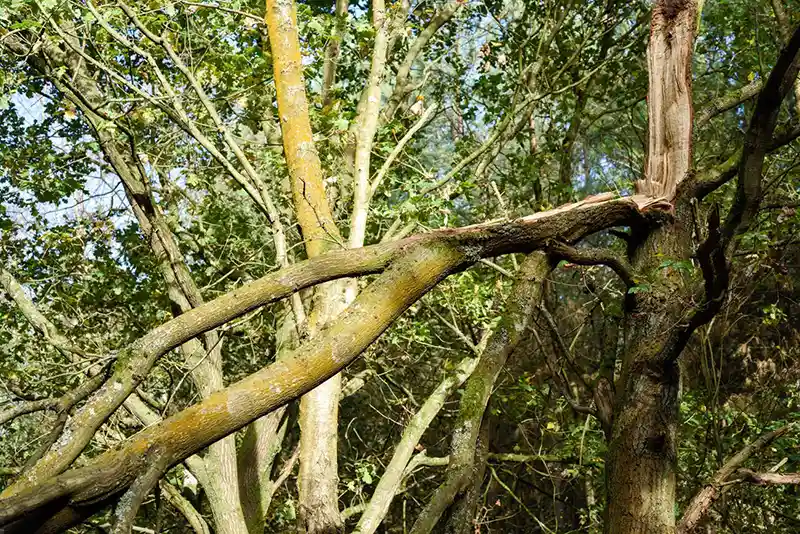
When storms strike Minneapolis, the city’s tree experts jump into action, tackling storm damage and disease outbreaks head-on. You’ll notice them meticulously assessing affected trees, using specialized tools to inspect and categorize damage. High-risk trees get immediate attention, with certified arborists employing cranes and chainsaws to ensure public safety. But what about the less obvious threats, like diseases that silently ravage tree populations? Understanding how these professionals identify and treat such issues could be crucial for anyone interested in urban tree health. Curious about their strategies and community education efforts? There’s more to uncover.
Assessing Storm Damage
Assessing storm damage to trees in Minneapolis begins with a thorough inspection of the affected area. You need to evaluate the storm impact on each tree by examining the canopy, trunk, and root system. Look for broken branches, splits in the trunk, and signs of uprooting. It’s crucial to identify immediate hazards to ensure tree safety. Pay close attention to trees that lean precariously, have large cracks, or possess hanging limbs that could fall.
You’ll want to classify the damage into categories: minor, moderate, and severe. Minor damage includes small broken branches, while moderate damage might involve larger limb loss or partial trunk splits. Severe damage usually means the tree is structurally compromised and may need removal. Use tools like binoculars and ladders to inspect high branches and ensure a comprehensive assessment.
Document your findings with photos and detailed notes. This documentation helps prioritize which trees need urgent attention and assists in planning the next steps. Always wear protective gear and proceed cautiously to avoid injury. By systematically assessing storm damage, you contribute to the safety and recovery of Minneapolis’s urban forest.
Emergency Response Techniques
When a tree emergency strikes, swift and well-coordinated response techniques are crucial for minimizing damage and ensuring public safety. The first step is to initiate emergency protocols. You’ll need to quickly contact a certified arborist who can conduct a rapid assessment of the situation. This involves evaluating the structural integrity of affected trees, identifying potential hazards, and determining the immediate actions required.
Once the rapid assessment is complete, the arborist will prioritize tasks based on urgency. High-risk trees threatening structures, power lines, or public pathways are addressed first. Specialized equipment such as chainsaws, cranes, and wood chippers are deployed to safely remove or stabilize compromised trees.
Effective communication is key during these operations. You should ensure that all team members are aware of the emergency protocols and understand their specific roles. Additionally, safety measures such as wearing personal protective equipment and maintaining a secure perimeter around the work site are essential.
Disease Identification
Identifying tree diseases early on is critical for effective management and prevention of further damage. When you spot symptoms of fungal infections or pest infestations, immediate action is required to mitigate the impact. Pay attention to unusual signs in your trees, as they often indicate underlying health issues.
* Discolored Leaves: Yellow, brown, or black spots on leaves often point to fungal infections. Examine leaves regularly to catch these signs early.
* Bark Abnormalities: Cracks, cankers, or peeling bark can signal both fungal infections and pest infestations. Inspect the trunk and branches for these anomalies.
* Unusual Growths: Look for galls, mushrooms, or other unusual growths on or near the tree. These can be indicators of fungal activity.
* Wilting or Dieback: Branches that wilt or die back unexpectedly can be symptoms of root rot or pest infestations targeting the vascular system.
Treatment and Prevention
Effective management of tree diseases and pests doesn’t end with identification; implementing appropriate treatment and prevention strategies is equally important. Once you’ve identified a problem, you need to select the right treatment options. For fungal infections, fungicides are often the go-to solution. You should apply these during the early stages for maximum effectiveness. Insect infestations, on the other hand, may require targeted insecticides or biological controls like beneficial nematodes.
Preventive measures are crucial for maintaining tree health and avoiding future issues. Regular inspections allow you to catch problems early. Pruning infected branches not only removes the disease but also improves air circulation, reducing the likelihood of future infections. Soil health is another key factor; ensure your trees receive adequate nutrients by applying organic mulch and balanced fertilizers.
Don’t overlook the importance of proper watering techniques. Overwatering can lead to root rot, while underwatering stresses the tree, making it more susceptible to diseases. Employ drip irrigation to maintain consistent moisture levels.
Community Education and Support
Community education and support play a pivotal role in managing tree emergencies in Minneapolis. When you’re informed about tree care, you can better protect your property and the community. Local tree experts often hold community workshops to educate residents about best practices and preventative measures. These sessions cover topics such as identifying signs of disease, proper pruning techniques, and emergency response procedures.
Here are some key benefits of community education and support:
– Increased Awareness: Workshops raise awareness about common tree diseases and storm damage signs, empowering you to take early action.
– Improved Tree Health: Learning proper tree care techniques helps you maintain healthier trees, reducing the risk of damage during storms.
– Enhanced Safety: Understanding emergency response procedures ensures that you can act quickly and safely when tree emergencies occur.
– Community Resilience: Educated communities are better equipped to support each other, fostering a collaborative approach to managing tree emergencies.