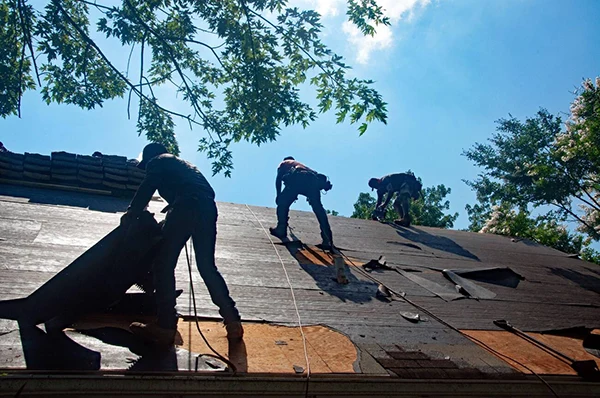
When tackling a roof replacement project in Royal Oak, MI, you face a range of unique challenges that require careful attention. From assessing the building’s age to understanding the current roof’s condition, each step demands precision. You’ll also need to navigate local building codes and select the right materials.
But there’s more to it than just these initial assessments. Understanding how to manage the entire process effectively can make all the difference in the outcome.
Assessing the Unique Challenges of Each Project
When it comes to roof replacement in Royal Oak, MI, each project presents its own set of unique challenges. You’ll need to consider factors like the age of the building, the condition of the existing roof, and the specific materials you want to use. Weather can be unpredictable, too, which means planning around rain or snow is essential.
Additionally, you’ll want to assess the roof’s pitch and any architectural features that may complicate the installation. Accessibility is another factor; if your roof is steep or hard to reach, it could affect safety and labor costs. By carefully evaluating these elements, you can create a tailored approach that ensures a successful roof replacement tailored to your needs.
Navigating Local Building Codes and Regulations
Understanding the unique challenges of your roof replacement project also involves navigating local building codes and regulations. These codes are in place to ensure safety and compliance with community standards. You’ll need to familiarize yourself with the specific requirements for your area in Royal Oak, MI.
This might include permits, design restrictions, and materials used. Working with a roof replacement expert can simplify this process, as they’re well-versed in local laws and can help you avoid potential pitfalls. They’ll ensure that your project complies with all regulations, saving you time and money in the long run.
By addressing these codes early on, you can focus on the successful completion of your roof replacement without unexpected setbacks.
Selecting Specialized Materials for Specific Needs
How do you choose the right materials for your roof replacement? Start by assessing your specific needs, such as climate, durability, and aesthetics. In Royal Oak, you’ll want materials that can withstand harsh weather, so consider options like asphalt shingles, metal roofing, or slate.
Each material has its benefits; for instance, metal roofs are long-lasting and energy-efficient, while slate offers a classic look with exceptional longevity. Next, think about insulation and ventilation. Specialized underlayment materials can enhance energy efficiency and moisture control, which is crucial in our fluctuating climate.
Finally, consult with a roofing expert to discuss warranties and maintenance requirements. They can help you make informed choices that align with both your budget and long-term goals.
Implementing Effective Project Management Strategies
To ensure a smooth roof replacement process, implementing effective project management strategies is crucial. You’ll want to start by clearly defining project goals and timelines. This helps everyone understand what’s expected and when.
Regular communication with your team keeps everyone on the same page, minimizing misunderstandings. It’s also wise to delegate tasks based on each team member’s strengths. Use project management tools to track progress and adjust plans as needed.
Anticipating potential challenges, like weather delays, allows you to adapt quickly. Lastly, keep your clients updated on progress and any changes, ensuring their satisfaction. By employing these strategies, you’ll enhance efficiency and lead your project to a successful completion.
Ensuring Safety and Quality Throughout the Process
While focusing on a successful roof replacement, ensuring safety and quality should always be a top priority. You need to start by conducting thorough inspections to identify potential hazards and assess the roof’s condition. Equip your crew with proper safety gear, like hard hats and harnesses, to prevent accidents.
It’s also crucial to follow local building codes and industry standards to maintain quality. Regularly check the work progress to ensure everything meets your high expectations. Encourage open communication among your team so that any concerns can be addressed immediately.
By prioritizing safety and quality, you not only protect your crew but also ensure a durable and reliable roof for your clients, building trust in your expertise.