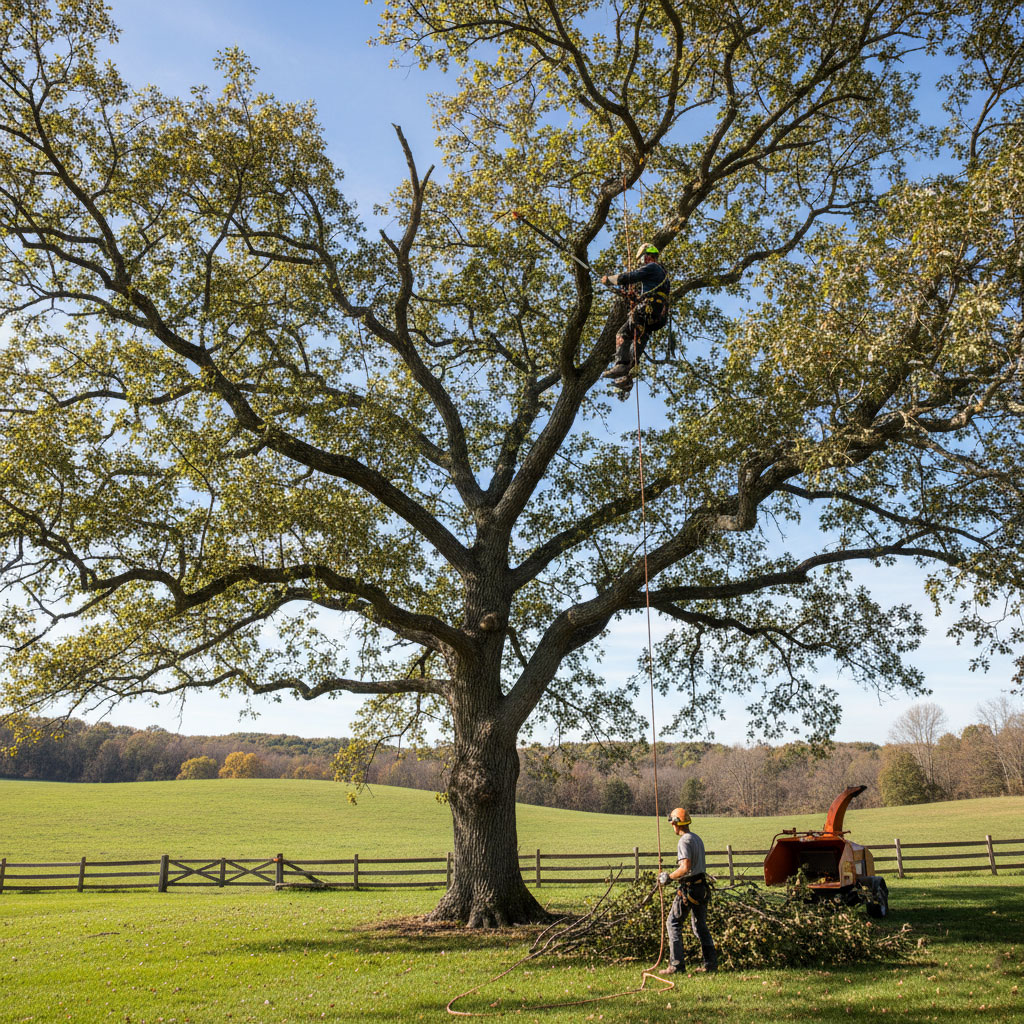
Proper tree pruning not only promotes growth but also prevents disease, reduces hazards, and improves aesthetics.
Many California homeowners ask: how often should trees be trimmed for optimal health? The answer depends on the type of tree, its age, and local environmental factors.
Understanding the right frequency and techniques ensures your trees thrive in the California climate.
Click the link now to learn more: https://sindttreeservicecalifornia.com/
Understanding Tree Growth Patterns
Different species of trees grow at different rates and respond to pruning in unique ways. Fast-growing trees, like willows and poplars, may require more frequent trimming than slow-growing oaks or pines.
- Young trees: Need frequent trimming to establish strong branches and structure.
- Mature trees: Require less frequent pruning, focusing on removing dead or diseased limbs.
- Fruit-bearing trees: Often need seasonal pruning to encourage fruit production and prevent overcrowding.
Recognizing your tree’s growth patterns helps determine the ideal trimming schedule and promotes long-term health.
Seasonal Tree Trimming in California
California’s climate allows for year-round outdoor maintenance, but certain seasons are better suited for trimming.
- Winter (dormant season): Ideal for most deciduous trees as pruning stimulates healthy growth in spring.
- Spring: Only trim to remove dead or damaged branches; avoid heavy pruning during active growth.
- Summer: Focus on removing hazardous or diseased limbs and maintaining clearance from structures or walkways.
- Fall: Minor trimming may be done, but heavy pruning is usually avoided to reduce stress before winter.
Seasonal awareness ensures your trimming efforts maximize health while minimizing stress on the trees.
Signs Your Trees Need Trimming
Regular inspections help identify when a tree requires pruning, regardless of the schedule. Look for the following indicators:
- Dead or broken branches: Can invite disease or pose hazards.
- Overgrown limbs: Block sunlight or interfere with structures, sidewalks, or power lines.
- Dense canopy: Restricts airflow, increasing the risk of fungal infections.
- Signs of disease or pest infestation: Such as discolored leaves, holes in bark, or sawdust-like residue.
Addressing these issues promptly can prevent serious problems and keep your trees healthy year-round.
Benefits of Regular Trimming
Consistent tree maintenance offers a wide range of benefits:
- Enhanced growth: Proper trimming encourages strong branch development and healthier leaves.
- Improved safety: Removes hazardous limbs that could fall and damage property or injure people.
- Disease prevention: Reduces the spread of pests and infections.
- Aesthetic appeal: Creates a well-maintained, visually pleasing landscape.
- Property value: Healthy, well-groomed trees enhance curb appeal and home value.
Regular trimming is an investment that pays off in the form of healthier trees, safer environments, and more attractive landscapes.
Professional vs. DIY Trimming
While small pruning tasks can often be done by homeowners, professional tree services are recommended for larger trees, complicated cuts, or high-risk areas.
- Certified arborists have the knowledge to prune correctly without damaging the tree.
- Proper equipment ensures safety and prevents accidents.
- Comprehensive care: Professionals can inspect for disease, structural issues, and recommend long-term maintenance plans.
Hiring a professional helps maintain tree health while minimizing risk to property and personal safety.
Maintaining Optimal Tree Health in California
Trimming trees at the right frequency is essential for their health, safety, and appearance. In California, understanding species-specific growth patterns, seasonal timing, and signs of distress allows homeowners to make informed decisions.
By combining regular maintenance with professional care when necessary, you can ensure your trees thrive, enhance your property, and remain safe for years to come.