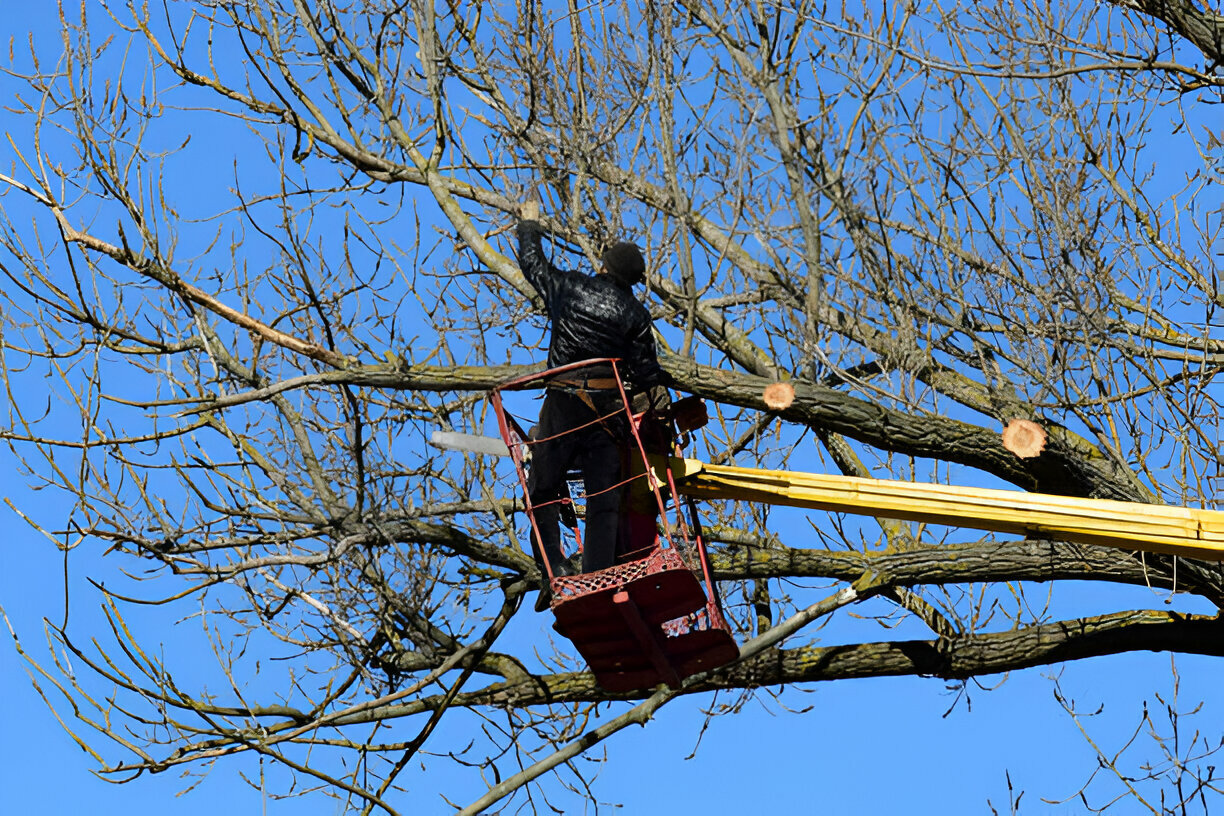
You might think your garden is dormant in winter, but it’s the perfect time to prune your trees for a spectacular spring bloom. Removing dead or diseased branches ensures that your trees can conserve energy and direct it toward healthy growth when the weather warms up. This improves air circulation and sunlight penetration, reducing mold risks, and it also helps maintain your trees’ natural shape and aesthetics.
Curious about the best techniques and common pitfalls to avoid? Let’s explore how you can master winter pruning for a thriving garden.
Benefits of Winter Pruning
Winter pruning offers multiple benefits that can significantly enhance the health and appearance of your garden. First and foremost, it helps your trees conserve energy. Removing dead or diseased branches allows the tree to focus its resources on healthier parts, promoting robust growth come spring. This also limits the spread of disease and pests, which are more likely to infest deadwood.
Moreover, winter pruning improves air circulation and sunlight penetration. When you thin out crowded branches, you enable better airflow and light exposure, which can reduce mold and mildew. This also encourages more vigorous blooming and fruiting, as light reaches all parts of the tree more evenly.
Visibility is another key advantage. Without the leaves, you can easily see the tree’s structure, making it simpler to identify which branches need cutting. Plus, since the tree is dormant, it experiences less stress during pruning, leading to quicker recovery.
Lastly, winter pruning shapes your trees, enhancing their structural integrity. Properly pruned trees are less prone to wind damage and breakage. So, by taking the time to prune in winter, you’re setting the stage for a healthier, more beautiful garden in the spring.
Pruning Techniques
To effectively prune your trees in winter, you must employ specific techniques that ensure optimal results. First, focus on removing dead, diseased, or damaged branches. These can sap energy from the tree, making it vulnerable to pests and disease. Using sharp, clean tools, make your cuts at a 45-degree angle to promote quick healing.
Next, aim to thin out crowded areas. This improves air circulation and sunlight penetration, essential for healthy growth. Identify branches that cross or rub against each other and remove the weaker ones. This will prevent wounds and structural weaknesses.
You’ll also want to shape your tree by trimming back overgrown branches. Cut just above a bud facing the direction you want new growth. This will guide the tree’s development and create a balanced, attractive form.
Additionally, consider the tree’s natural shape and growth habits. Don’t over prune, as this can stress the tree and hinder its ability to bloom come spring. Lastly, remember to step back periodically to assess your work. This helps ensure you maintain the tree’s natural aesthetics and don’t overdo any one area.
Common Mistakes to Avoid
When pruning your trees in winter, one of the most critical aspects is avoiding common mistakes that can do more harm than good. First, don’t prune too early. Wait until trees are fully dormant, typically in late winter. Pruning too soon can lead to sap loss and increased vulnerability to disease.
Another mistake is using dull or dirty tools. Sharp, clean tools ensure precise cuts and reduce the risk of infection. Always disinfect your pruners before and after use to prevent the spread of pathogens.
Over-pruning is a common error. Don’t remove more than 25% of the tree’s canopy in a single season. Over-pruning can stress the tree and stunt its growth. Focus on removing dead, damaged, or crossing branches.
Another pitfall is ignoring the tree’s natural shape. Prune in a way that maintains the tree’s natural form. Cutting indiscriminately can lead to a misshapen tree and poor spring growth.
Lastly, avoid topping trees—cutting off the top of the tree’s main branches. This practice weakens the tree and encourages weak, spindly growth. Instead, make smaller, strategic cuts to manage size and shape. Avoiding these mistakes’ll set your garden up for a beautiful spring bloom.
Read more https://sindttreeservicecalifornia.com