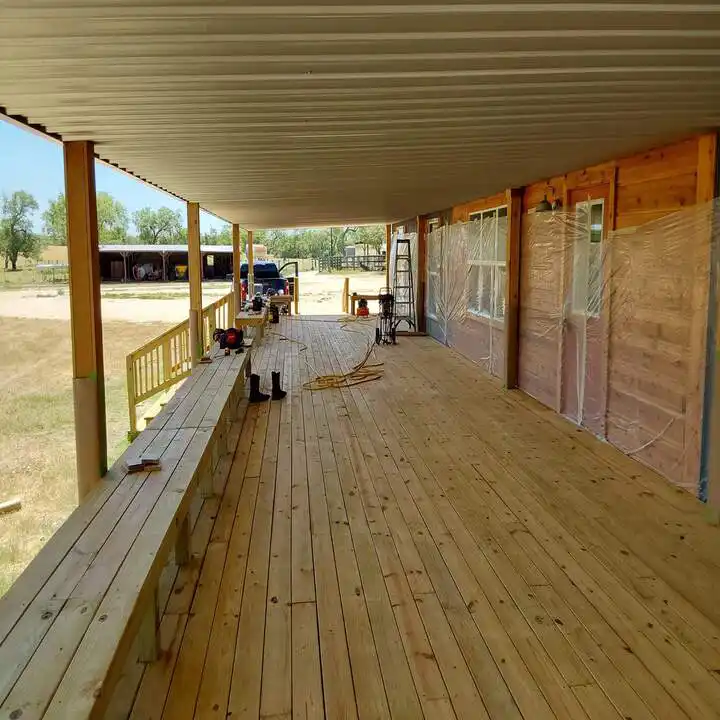
Transforming your outdoor space can seem daunting, but with guidance from the Fence and Deck Pros of South Texas, you’ll find the process much simpler. Start by envisioning your perfect layout and setting a realistic budget. Prioritize essential features and opt for durable materials like composite or metal to ensure longevity. Thoughtful design can create distinct zones for relaxation and entertainment, while strategic fencing enhances privacy. With the right lighting, you can extend your outdoor enjoyment well into the evening. But how do you ensure your space remains beautiful and functional year-round? Let’s explore further.
Planning Your Project
When planning your outdoor space project, start by envisioning how you want to use the area. Do you dream of hosting vibrant summer barbecues, or perhaps creating a serene nook for morning coffee? Define your goals and make a list of essential features. This vision will guide your decisions and help you stay focused.
Next, consider your budget. It’s easy to get carried away with grand ideas, but establishing a budget early on ensures you won’t overspend. Break down your finances into categories: landscaping, furniture, lighting, and any additional features. Prioritize must-haves and identify areas where you can save. For example, you might splurge on a quality deck but choose more affordable plant options.
Equally important is setting a realistic project timeline. Outline each phase of your project, from initial planning to final touches. Consider factors like weather conditions, availability of contractors, and delivery times for materials. A well-structured timeline prevents delays and keeps your project on track.
Choosing the Right Materials
Selecting the right materials for your outdoor space is crucial to achieving both functionality and aesthetic appeal. When choosing what to build with, consider these key factors to ensure your project stands the test of time and looks great.
1. Wood Options: If you love the natural look, wood might be your first choice. Cedar and redwood are popular for their resistance to rot and insects. Pine, while more affordable, needs regular maintenance and treatment to prevent decay.
2. Composite Benefits: Composite materials offer the beauty of wood without the upkeep. They’re made from a blend of wood fibers and plastic, providing durability and resistance to weathering. If low maintenance and longevity are important to you, composite decking and fencing are excellent choices.
3. Metal Choices: For a modern, sleek appearance, consider aluminum or wrought iron. They’re not only strong but also add a touch of elegance to your space. Aluminum is rust-resistant and lightweight, making it easy to work with.
4. Vinyl Advantages: Vinyl is another low-maintenance option that comes in various colors and styles. It’s resistant to moisture, insects, and doesn’t require painting or staining.
Design Tips for Decks
Having chosen the perfect materials, it’s time to focus on designing a deck that complements your home and lifestyle. Start by selecting a deck color that harmonizes with your house’s exterior. Whether you prefer natural wood tones or bold, modern hues, your deck color sets the stage for your outdoor space’s overall vibe.
Next, consider the shape and layout of your deck. Think about how you’ll use the space—entertaining guests, relaxing with a book, or dining al fresco. Incorporate zones for different activities, ensuring smooth flow and accessibility. Adding built-in seating or planters can also enhance functionality and aesthetics.
Lighting options are key to extending your deck’s usability into the evening. Integrate a mix of ambient, task, and accent lighting. String lights or lanterns create a warm, inviting atmosphere, while recessed deck lights or post cap lights ensure safety and visibility. Solar-powered lights are an eco-friendly choice that requires minimal maintenance.
Lastly, don’t forget to add personal touches like outdoor rugs, colorful cushions, and potted plants to make the space uniquely yours. By thoughtfully considering deck color, layout, and lighting options, you’ll create a stunning and functional outdoor retreat.
Maximizing Privacy With Fences
Creating a sense of seclusion in your outdoor space can transform it into a true sanctuary. When it comes to maximizing privacy with fences, there are several strategies you can employ to ensure your yard feels like a private retreat. By considering privacy screening and the right fence height, you can effectively block out prying eyes and enjoy your space in peace.
1. Choose the Right Material: Opt for materials like wood, vinyl, or composite, which offer durability and aesthetic appeal. These materials are great for creating solid barriers that ensure privacy.
2. Determine the Optimal Fence Height: For maximum privacy, a fence height of 6 to 8 feet is ideal. This height prevents neighbors and passersby from seeing into your yard, giving you a sense of seclusion.
3. Incorporate Privacy Screening: Adding lattice panels, climbing plants, or bamboo screens can enhance the privacy of your fence. These elements not only block views but also add a touch of natural beauty.
4. Consider Local Regulations: Before installing your fence, check local regulations regarding fence height and materials. Compliance ensures that your privacy measures are both effective and lawful.
Maintenance and Care
Taking care of your outdoor space ensures it remains inviting and functional for years to come. Regular maintenance and care are essential to preserving the beauty and integrity of your fences and decks. Start with seasonal upkeep; each season brings its own challenges. In the spring, inspect for any winter damage. Look for loose nails, warping wood, or rusted hardware. Summer is perfect for cleaning and sealing decks to protect them from the sun’s harsh rays. Fall is the time to clear leaves and debris that can lead to moisture buildup and rot.
When it comes to repair techniques, always address issues promptly. For wooden fences, replace any rotten or split boards immediately to prevent further damage. Use a water-resistant sealant to protect against moisture. For metal fences, sand away any rust spots and apply a rust-inhibiting primer followed by a fresh coat of paint. Decks require periodic inspection of support beams and joists. Tighten loose screws and replace any compromised boards.